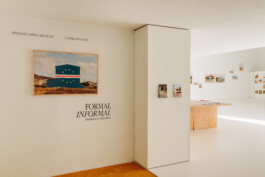
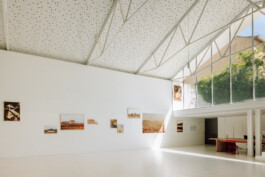
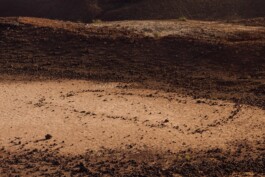
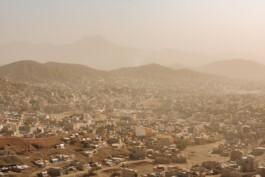
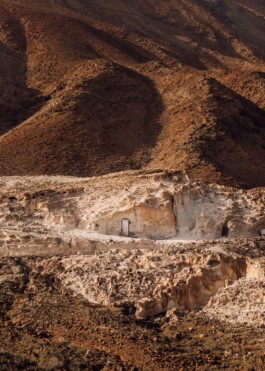
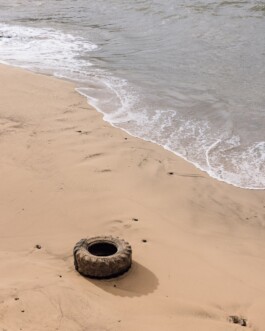
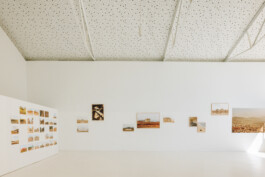
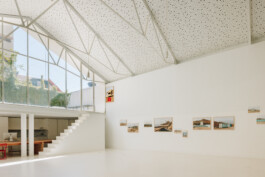
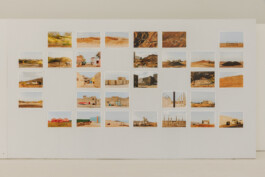
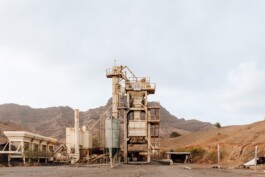
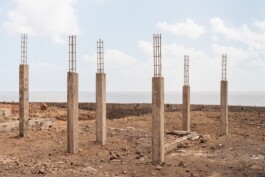
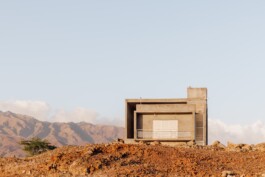
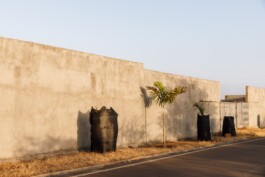
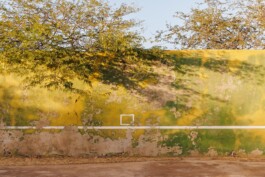
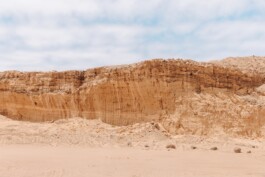
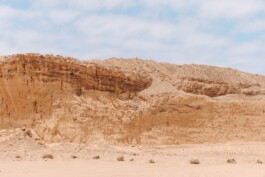
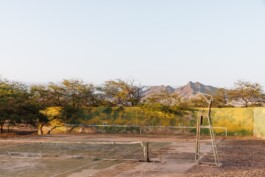
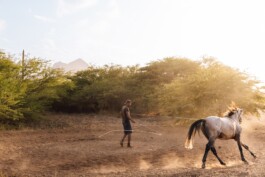
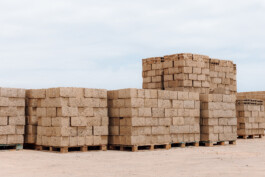
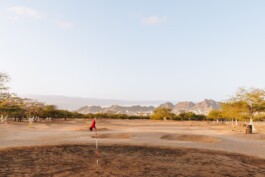
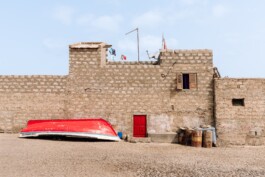
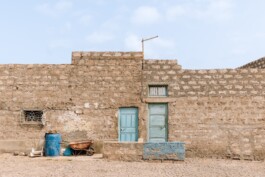
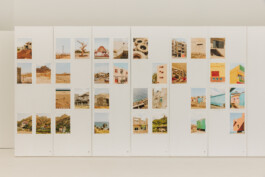
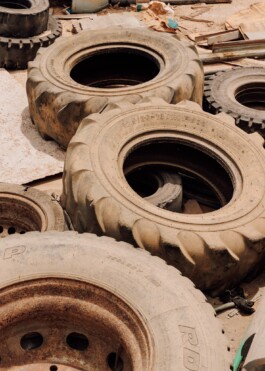
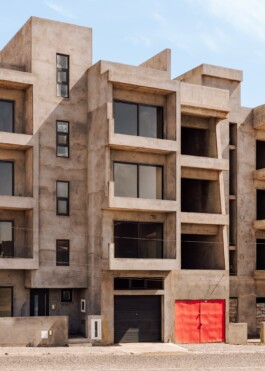
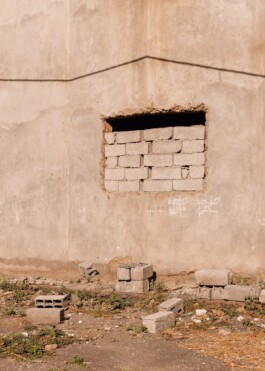
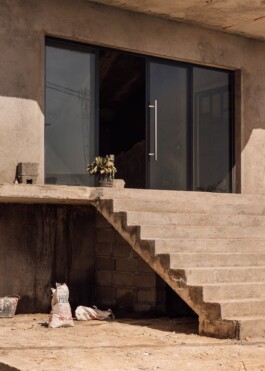
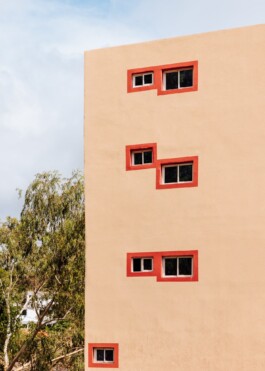
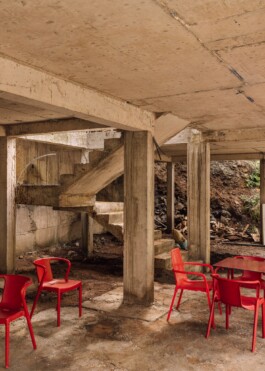
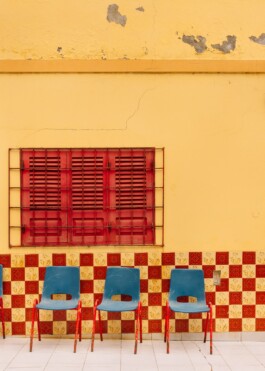
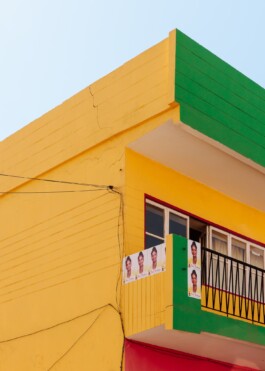
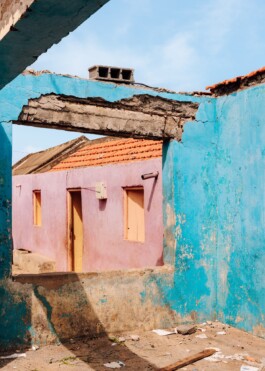
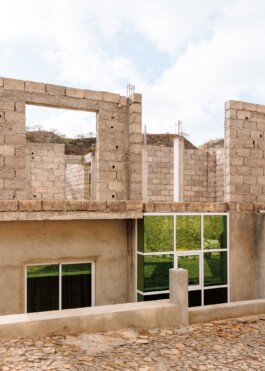
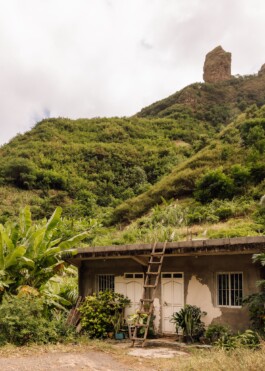
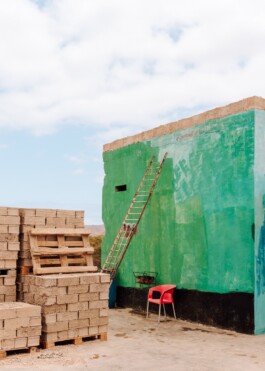
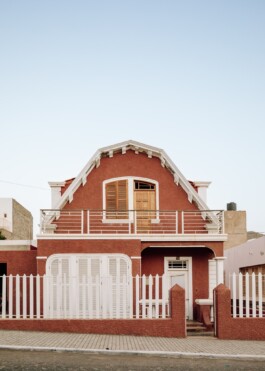
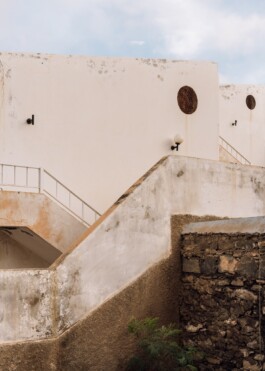
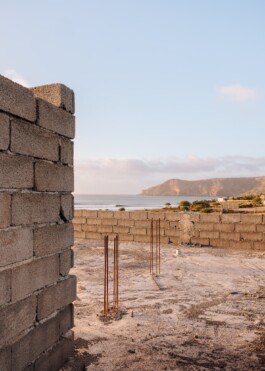
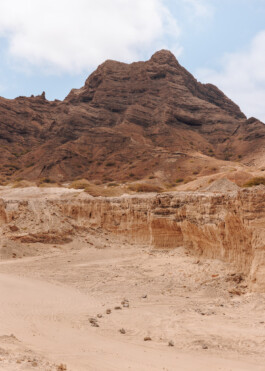
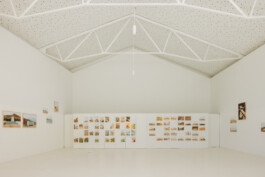
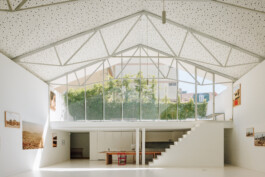
"Formal Informal" exhibition in Arquivo Aires Mateus, Lisbon, July 2026

The first time I visited the island of São Vicente was in 2019.
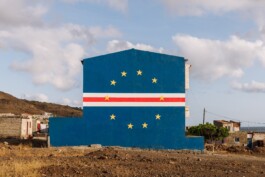
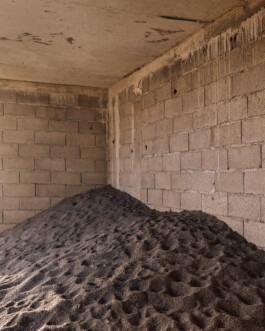
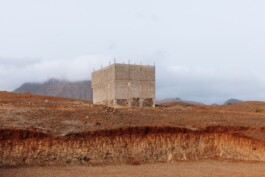
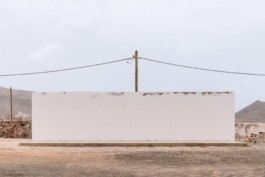
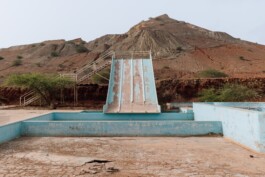
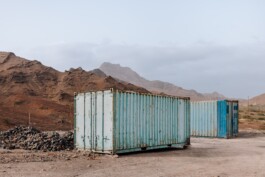
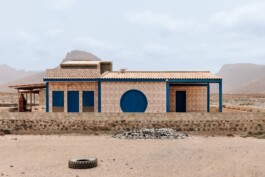
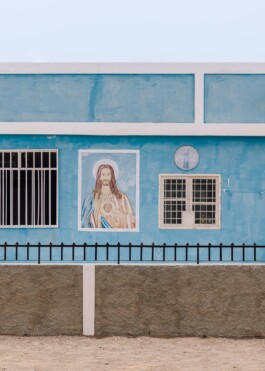
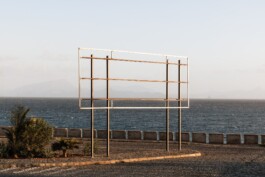
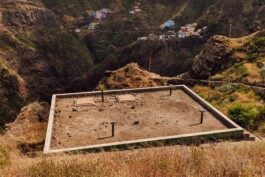
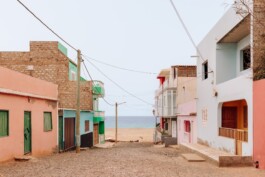
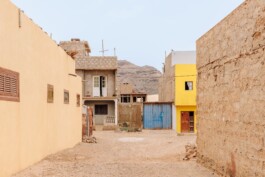
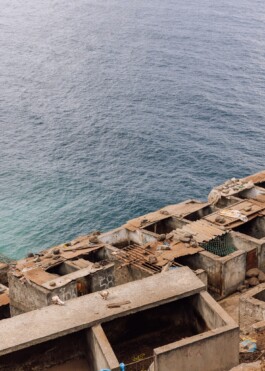
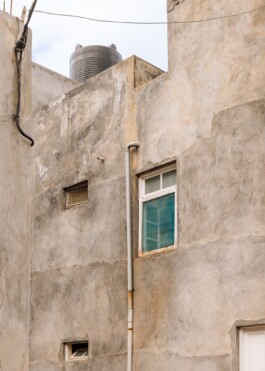
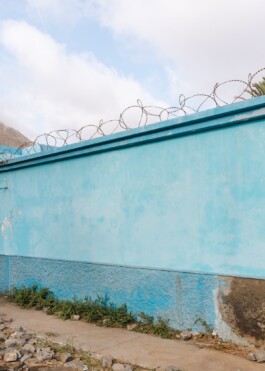
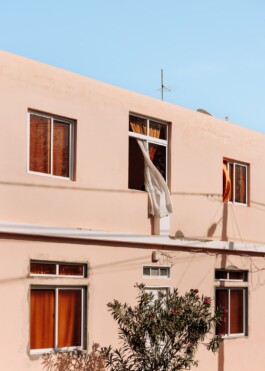
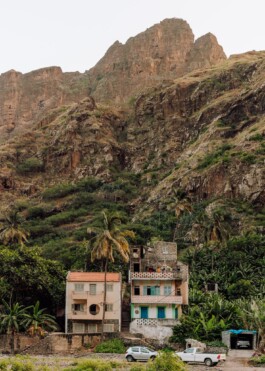
What interested me most was the informality in the architecture
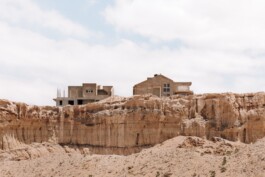
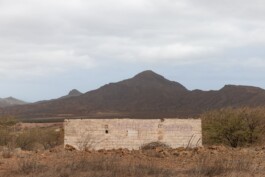
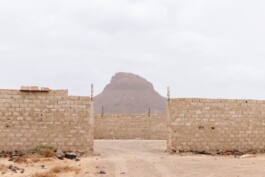
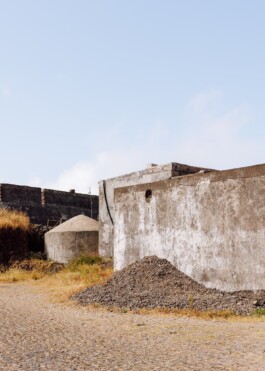
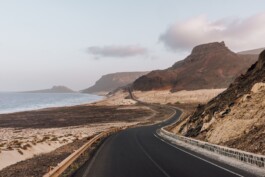
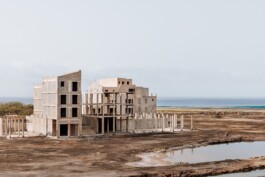
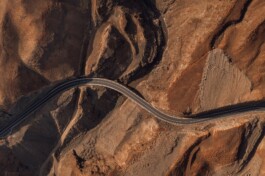
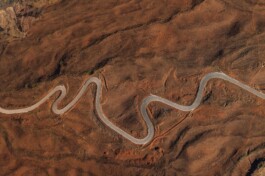
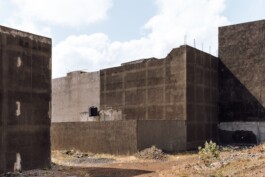
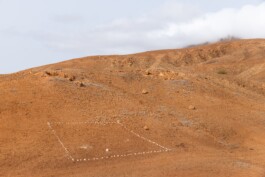
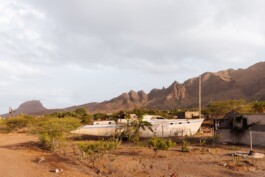
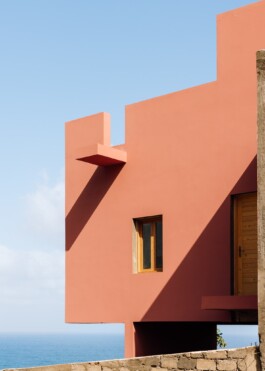
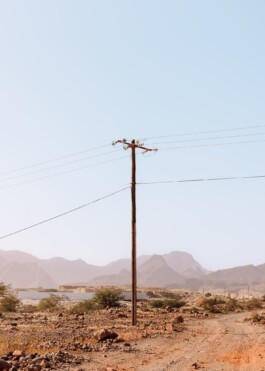
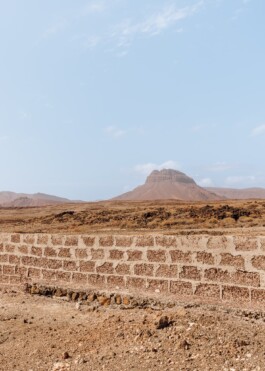
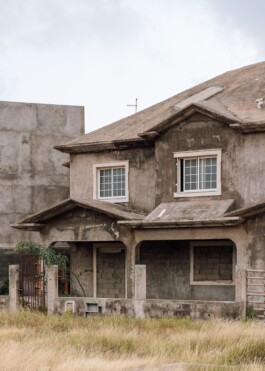
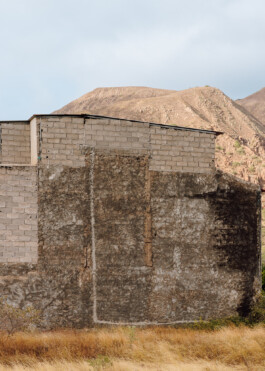
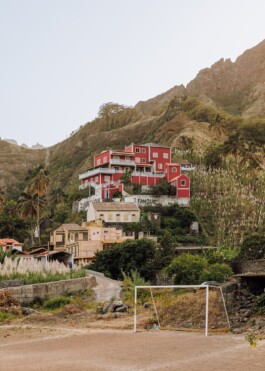
and the occupation of the territory, a landscape where concrete
buildings stand against the arid mountain terrain like sculptures.
I returned multiple times over the following years to São Vicente,
Santo Antão and Santiago, already with a clear sense of what
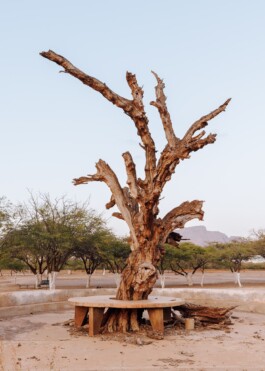
I was looking for, but with no plan, letting the territory and what
I came across inform me about what to photograph.
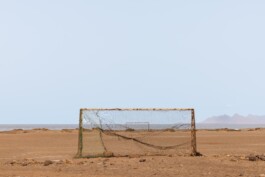
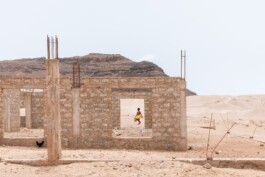
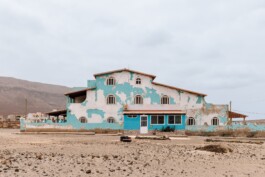
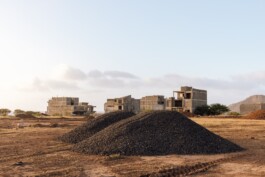
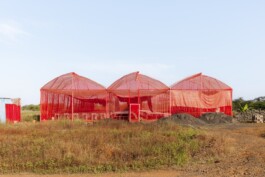
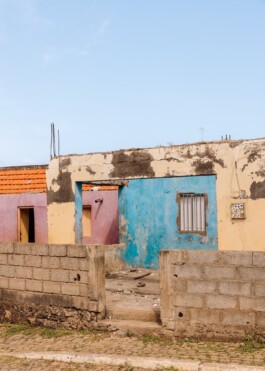
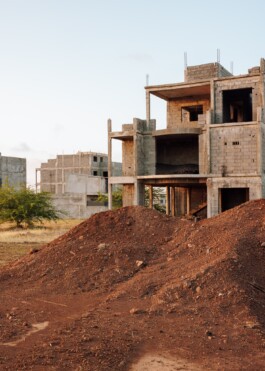
Most of the constructions I photographed share the same
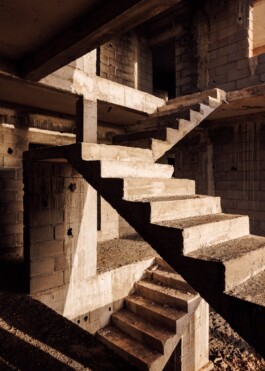
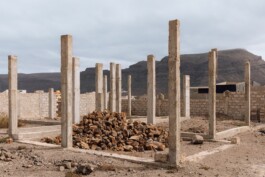
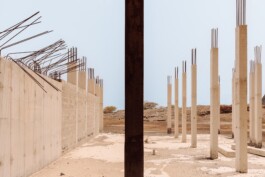
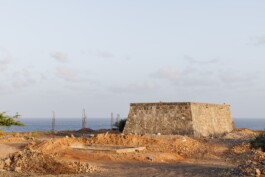
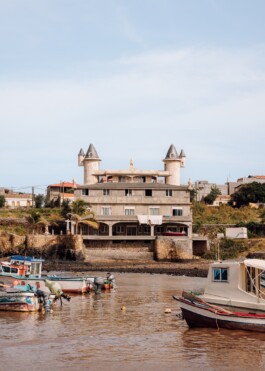
impulse: the dream of a promised future. The unfinished buildings
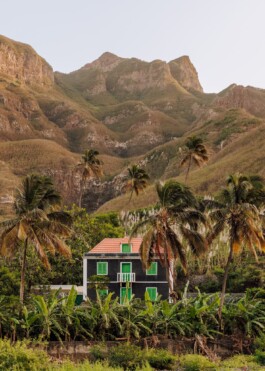
begun for a tourism cycle that is yet to arrive; the diaspora
houses, built incrementally, as remittances arrive from abroad;
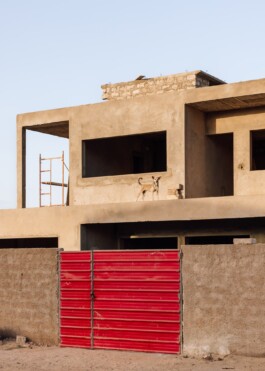
the houses that grow with families, with the concrete frames
left on rooftops waiting for a floor that will come when there are
resources or when the family expands.
The building does not need to be finished to be inhabited.
The dream anticipates the building by years, sometimes by
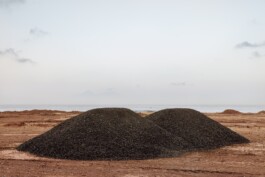
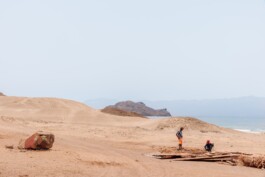
generations. The result is a suspended landscape, neither ruin
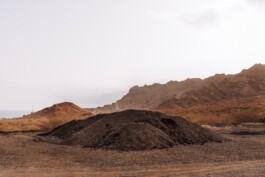
nor completed work, where concrete and volcanic rock share
the same colour, the same weight, dissolving into each other.
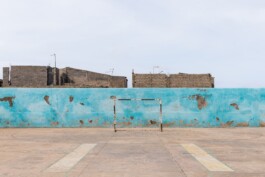
The occupation of territory, the appropriation of individual
space, the confrontation between the built and nature: these
are questions that run through my work since Man Made (2018),
the books As Roças de São Tomé e Príncipe (2013) and
Bijagós: Património Arquitectónico (2016).
In those projects, architecture precedes photography, designed
with programme and form, resisting the traces of time and use.
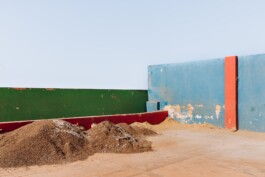
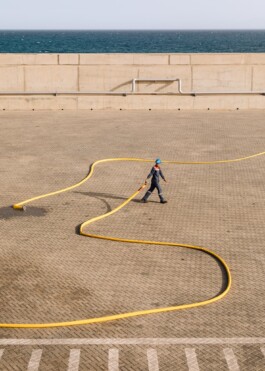
Photography looks for what that form reveals. In Cabo Verde
construction is mostly informal, vernacular, anonymous, without
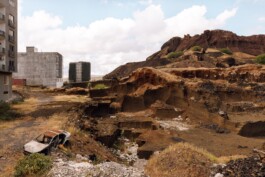
a prior project; here it is the photographer’s eye that organises
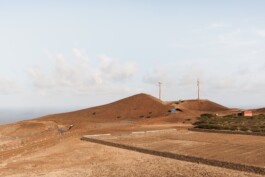
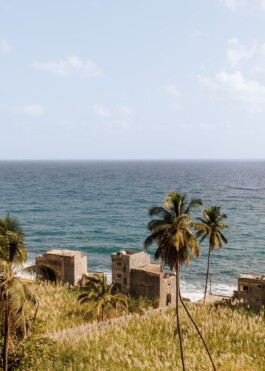
space and proposes a reading of the built landscape.
Francisco Nogueira
July 2026


All images © Francisco Nogueira 2008-2026